
千方百计爱上你
1,500-year-old glazed pottery reveals Eurasian cultural exchanges in ancient northern China_我的网站

A | 隆多:如果可以下注,我会毫不犹豫押76人拿下总冠军。 以下是他的核心观点: 一、阵容适配优势 1. 球权天然兼容,不存在球权冲突 马克西擅长无球、空切、快攻,不需要大量持球,和詹姆斯打法完美咬合;区别于米切尔、哈登这类必须占球权的持球大核,不需要互相迁就打法。

B |
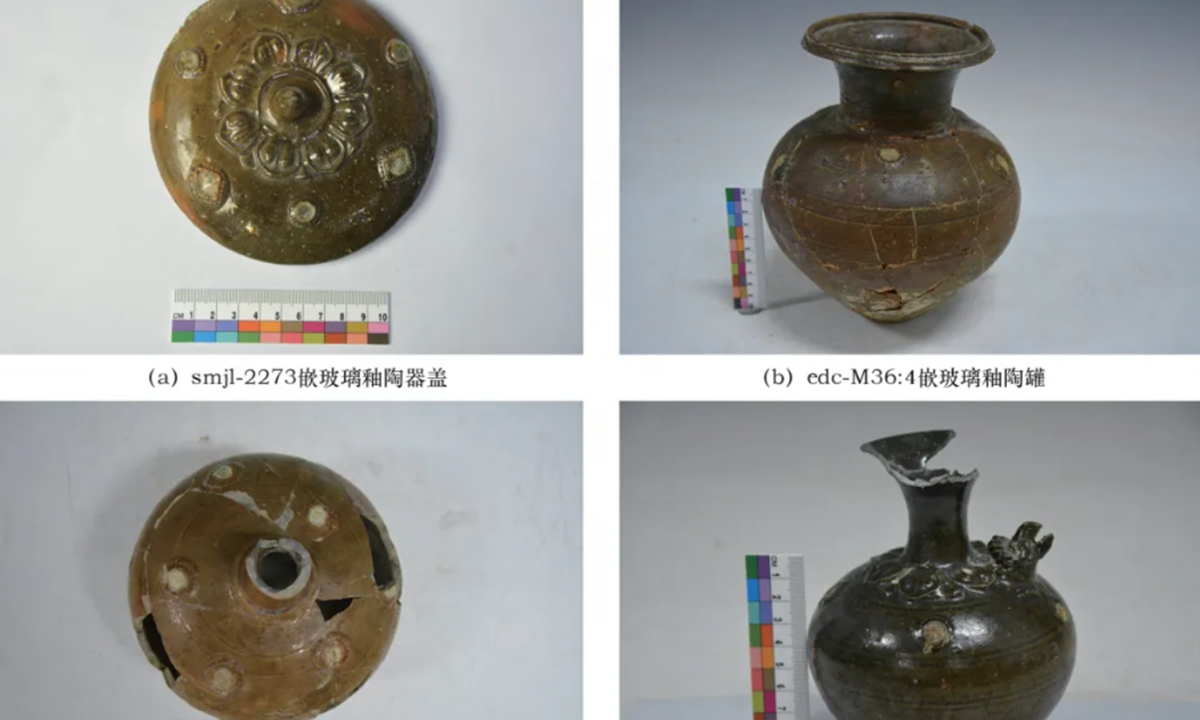
Systematic analysis conducted by the institute of pottery wares dating back to the Pingcheng period of the Northern Wei Dynasty (386-534) has identified distinct foreign cultural and technological elements embedded in the craftsmanship and material composition of the unique artifacts, shedding fresh light on ancient Eurasian cultural integration.
Established by the Tuoba Xianbei ethnic group, the Northern Wei Dynasty designated Pingcheng, present-day Datong city in Shanxi Province, as its capital from 398 to 494. For nearly a century, the city served as a pivotal multicultural hub where Xianbei nomadic culture, Central Plains Han culture and diverse Western Regions civilizations converged and interacted, according to a report on Chinanews.com.cn.
Archaeological excavations at multiple tomb clusters in Pingcheng, including the Dongxin Northern Wei cemetery and the Qilicun cemetery, have yielded a total of eight pieces of glass-inlaid glazed pottery. Though far fewer in number compared with common glazed pottery figurines and painted glazed wares, these artifacts feature an extremely rare inlay technique unseen elsewhere in the developmental history of Chinese ceramics, according to the press release.
Given the exceptional rarity and good preservation of the relics, researchers selected four representative pieces for comprehensive laboratory testing and material analysis. The results show that the glass inlays are primarily soda-alumina glass, most likely produced by remelting trade beads from the Indian Ocean and Pacific regions, a key commodity in ancient maritime and overland trade networks.
The findings confirm that Pingcheng maintained frequent cross-border trade and cultural communication during the Northern Wei era, with access to glass raw materials sourced from diverse overseas regions. The varied compositional characteristics of the inlaid glass provide crucial clues for studying ancient glass-making technologies, raw material circulation and long-distance trade routes in ancient East Asia, the press release noted.
Beyond material composition, the artifacts also embody prominent cross-cultural innovation in design. Their decorative motifs draw heavily on gem-encrusted gold and silver wares of the Sasanian Persian Empire, while integrating artistic elements from other Eurasian regions. The blended design styles reflect the era's prevailing trend of multicultural fusion and creative assimilation of foreign civilizations.
Archaeologists noted that the glass-inlaid glazed pottery represents an innovative technological achievement crafted by Northern Wei artisans who absorbed and refined foreign techniques and aesthetics. The distinctive craftsmanship and stylistic features of these wares exerted a far-reaching influence on ceramic production in surrounding regions and subsequent dynasties, marking a vital chapter in the evolution of ancient Chinese ceramic art.
The research underscores that ancient China's northern borderland was not an isolated cultural enclave, but an active node in Eurasian cultural and trade exchanges, where foreign elements were localized and innovated to form unique regional civilizational achievements, archaeologists from the Shanxi Provincial Institute of Archaeology said.
。恩比德内线统治、杰伦·布朗攻防一体,四大核心各司其职。 2. 常规赛可以大规模轮休,保护老将体能 人才储备充足,核心不必硬扛82场完整常规赛。詹姆斯常规赛减少身体消耗,把体力完整留给季后赛;防守端靠大脑指挥调度,不需要大量肉搏,第四节接管比赛即可。 3. 锋线与内线配置完整 恩比德坐镇禁区,杰伦·布朗提供顶级攻防输出;詹姆斯负责组织、阅读系列赛、关键球处理,整套拼图没有明显硬伤。 二、更衣室与精神层面 1. 团队氛围是詹姆斯选择76人的关键 队内没有刺头,沟通顺畅,愿意为冠军互相让步,避免内耗;对比勇士阵容老化、热火投射缺陷、骑士球权矛盾,76人是现实最优解。 2. 全员带有证明自己的饥饿感 恩比德、布朗、马克西都背负外界质疑,求胜欲望强,逆境下化学反应更强。

C | 三、夺冠前置必要条件(隆多明确给出的前提) 1. 恩比德必须健康打进季后赛,愿意顺应詹姆斯的比赛节奏,这是最大变量;如果伤病反复,争冠窗口直接受损。 2. 季后赛模式:詹姆斯用球商主导系列赛,而不是单纯靠身体,依靠录像分析、对手习惯、心理博弈赢下系列赛。

D | 四、客观风险(隆多没有回避) 一切建立在健康基础之上;恩比德的伤病历史是最大隐患;常规赛成绩不用追求顶尖,目标是季后赛把全员状态调至峰值。 五、一句话总结观点 76人手里棋子齐全,詹姆斯不需要大包大揽,只要保持健康,这支队伍就是总冠军热门。
Current article:http://1mzulk.aiwengchuanzuodahuai.shop/gb3rc/wq9n.html
Published on:18:54:10
 支付宝宣布全球用户超过10亿
 广西广木资产联合你我贷客服敷衍拖延安抚金未到账
 法国平均日增新冠病例2万例 或处于第八波新冠疫情开端
 【国际锐评】想搞“核”暗箱操作的美英澳又被亮红灯_合作_核潜艇
 瑞典首相安德松承认选举失败 将辞去首相一职
 今年1—7月全国吸收外资4383.3亿元人民币,今年1—7月全国吸收外资4383.3亿元人民币
我的网站最新内容
- ·ホテルスタッフが告白 チェックアウト時に“やってくれるとうれしいこと”に「これが理想」
- ·BBC:曼城准备提出首份报价,恩佐可能跻身英超历史最贵引援之列
- ·邮件群发单显怎么用?为什么大批量发送还是得靠专业平台
- ·影像记录|盐碱地上的“科技范”
- ·拼多多维护商家以次充好不当得利,永远让机器人回复我,我不上人工客服
- ·降雨升级 今天局部大到暴雨 天气什么时候转好?
- ·李蓓“等风来”
- ·《真三国无双2猛将传复刻版》官方介绍祝融:自称火神后裔的女战士
- ·以年少之名,为梦想加冕|2026中国小篮球系列活动全国总决赛落幕
- ·Guizhou apples gain popularity across Southeast Asia
- ·习近平同约旦国王阿卜杜拉二世出席签字仪式
- ·2025香港车博会6月12日开幕 新车/峰会/逛展亮点抢先看
- ·美记:上半场95%时间里火箭能与勇士抗衡 5%的时间里被他们碾压
- ·华为擎云亮相2026山东教育博览会,全景演绎智慧教育新范式
- ·罗斯手握巨额合同 购置宾利都要和兄长商量
- ·薪资专家解析哈登续约:骑士需先清理薪资空间
我的网站热点内容
- ·冲刺四季度|望花区:切实把政策红利转化为发展动力
- ·Canada sanctions 17 people, 3 entities for ‘right violations’ in Iran
- ·波导股份:拟向激励对象44人授予限制性股票476万股
- ·黄仁勋的“达链”闭环了
- ·1J79 1J85 4J29 4J32 4J36 4J42 的供应商?精密合金是什么材质?
- ·Windows 10 2022 Update现已推出 带来"一系列有限的生产力功能"
- ·高盛和富国等华尔街机构:美财政部回购难以压低长期美债收益率
- ·차세대 반도체 패키징 산업전 개막
- ·Former Afghan interpreter says Taliban tortured him for weeks but U.S. still won't give him a visa
- ·时光金科平台被无故扣99元,上海展炎信息拒接电话
- ·马斯克计划明年发射AI卫星!相关概念股梳理
- ·【收评】沥青日内下跌2.63%机构称沥青国际原油价格大跌,成本端支撑减弱
- ·售价约24万元/限量55辆!铃木吉姆尼55周年纪念版在法国发布
- ·科比48岁生日,瓦妮莎一张旧照让人破防,加索尔四个字胜过千言万语
- ·奔驰“天价”补偿鼓励员工离职,此计划不涉及中国市场
- ·1. 青桔单车临时改动运营区无提示,骑行中断电被自动还车扣调度费